 January
31
January
31
Tags
Schnitzel, Vampires, Fasching and Heidelberg
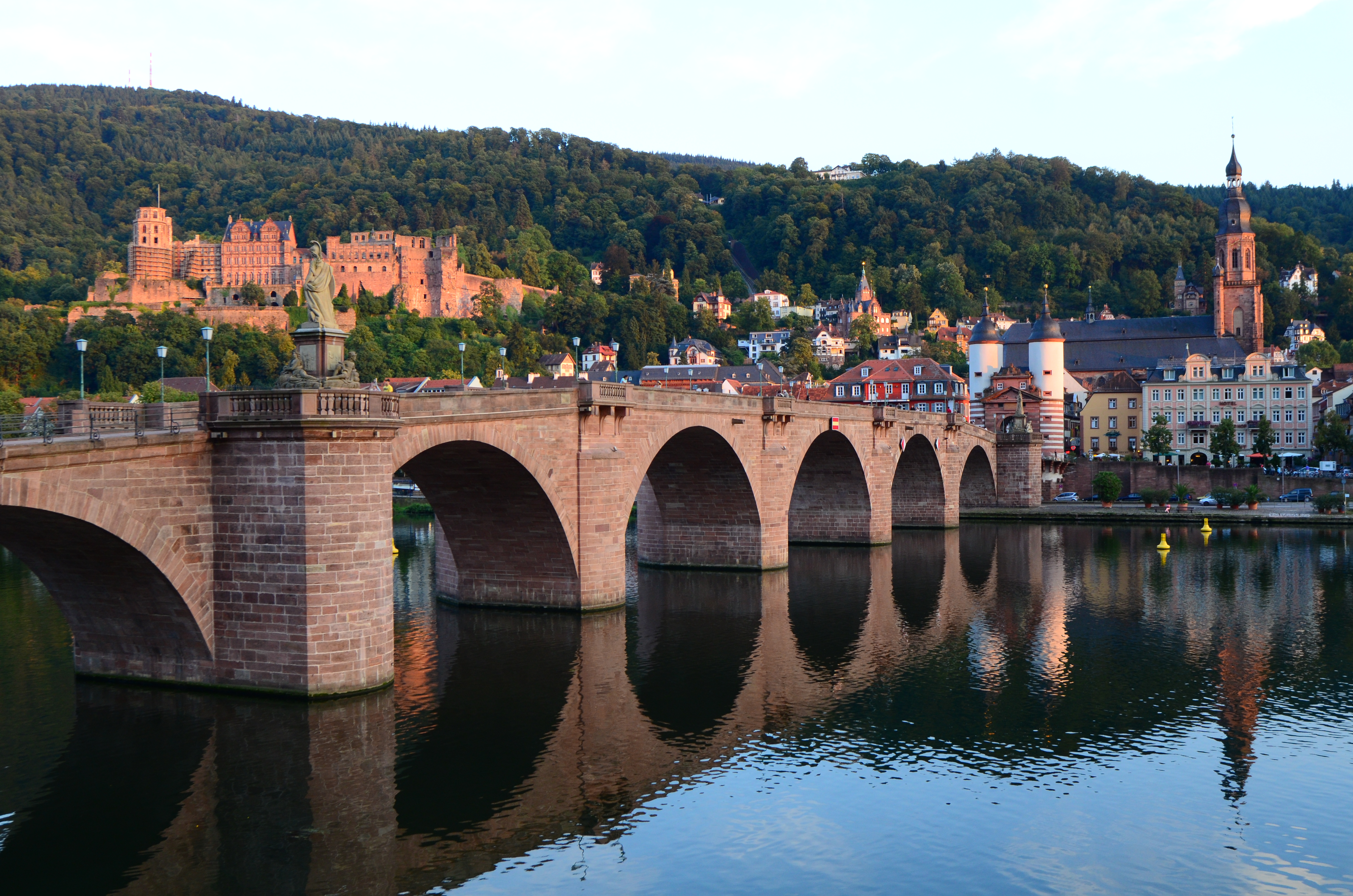 Wandering cobblestone streets to the student prison is a five-minute walk from a small restaurant, the Schnitzelbank, which prepares the city’s best traditional dishes. I live in Germany’s most romantic city, Heidelberg. Although the prison stop incarcerating students, it did so after 136 years in 1914, the tradition of one crime befitting punishment still continues. In some of the old student pubs, like the Roten Oschen, where patrons might still dare to inscribed their names deep into tables, chairs, walls… In the past the a penance was a week in the private jail, but escape their studies they did not. Today many might tempt fate after downing a few pints of beer, while ensuring their name doesn’t mare one of wordsmiths and philosophers, like Goethe, Hemmingway or Mark Twain. Local legend has it that they frequented almost every one of the city’s countless taverns.
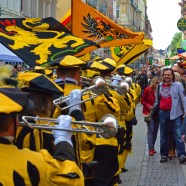
  Fasching, Germany’s Mardi Gras, is a week of festivities peaking on Rose Monday two days before Ash Wednesday. Based loosely on a tradition when young men wore masks, while gathering food and beverages from farmers for a big feast before Lent. Nowadays, Fasching is marked with lavish floats and marching bands in parades heralding revelers to burst onto the streets. It’s also during this time that Heidelberg hosts perhaps one the oddest parties before Lent, the Vampire Ball. So be victim or cursed, and don a mask for the 2015 ‘feastivities’ occuring on February 14, in a befitting setting of the renaissance inspired Stadthalle. — ROD RAYCROFT
 TravelKorner
Pingback: Schnitzel, Vampires, Fasching and Heidelberg « Best of Heidelberg